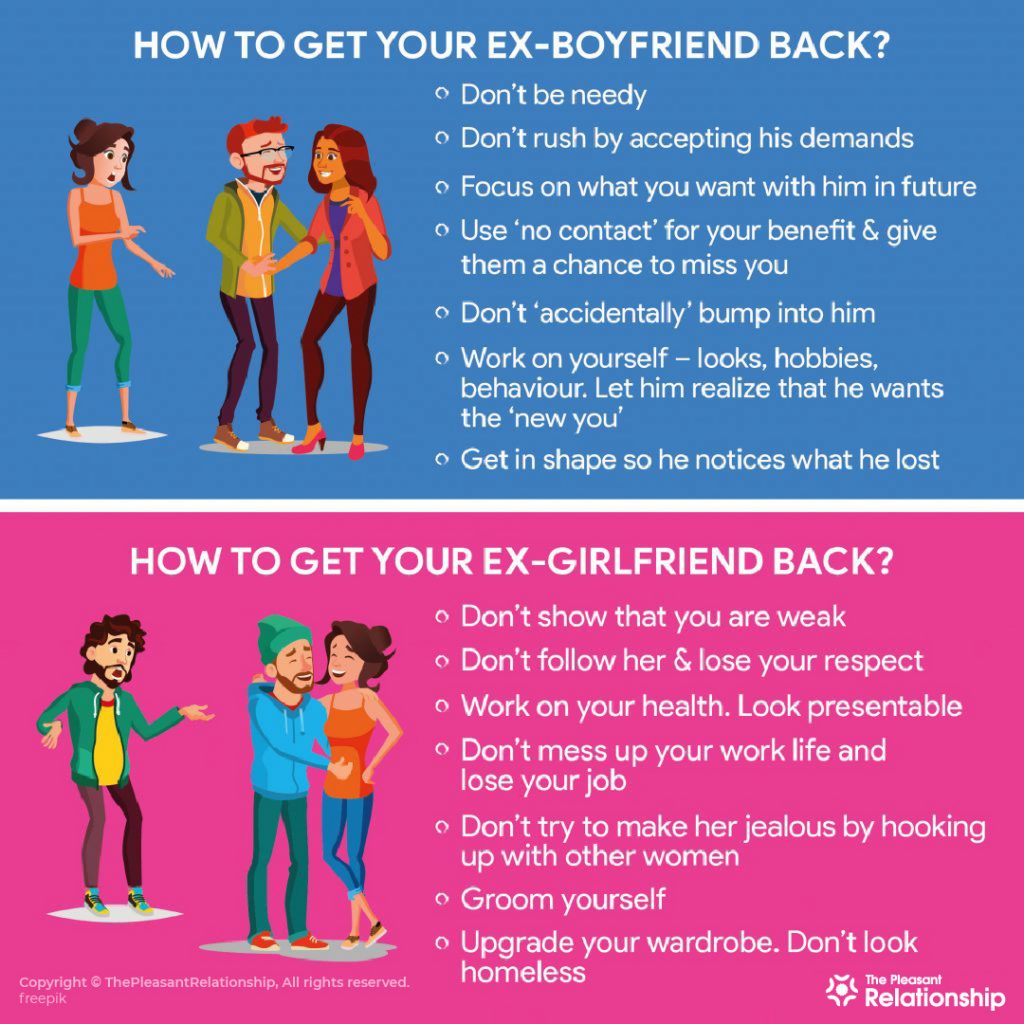
Getting Your Ex-Girlfriend Back: Proven Tactics
Recapturing a lost relationship requires a multifaceted approach, blending emotional intelligence with strategic planning. This process is not guaranteed, and success hinges significantly on the circumstances of the breakup and the willingness of both parties to reconcile. However, employing proven tactics can significantly increase the probability of a successful reunion. This guide outlines a structured methodology, emphasizing respectful communication and self-reflection as foundational elements.
I. Understanding the Breakup: The Crucial First Step
Before embarking on any reconciliation attempt, a thorough self-assessment and analysis of the relationship's demise are paramount. Ignoring the underlying issues that led to the separation is a recipe for repeated failure. Honest introspection is crucial.
A. Identifying the Root Causes
Honesty is paramount. Did communication falter? Were there irreconcilable differences in values or life goals? Were there instances of infidelity or significant breaches of trust? Was there a lack of emotional support or intimacy? Identifying the specific reasons for the breakup is the cornerstone of devising an effective strategy for reconciliation. Avoid assigning blame solely to your ex-girlfriend; focus on your own role in the relationship's deterioration. Consider keeping a journal to document your thoughts and feelings, facilitating a more objective perspective.
B. Accepting Responsibility
Acknowledging your contributions to the relationship's failure is essential for demonstrating maturity and genuine remorse. This doesn't mean accepting complete blame; it involves honestly assessing your actions and their impact. Apologizing sincerely for specific behaviors, rather than issuing a generic "I'm sorry," demonstrates genuine regret and a willingness to change.
C. Assessing Her Perspective
Try to understand the breakup from her point of view. Consider what she might have found unsatisfactory or hurtful. This requires empathy and the ability to step outside your own emotional perspective. This understanding will inform your approach to reconciliation, enabling you to address her concerns directly and effectively. Avoid assuming you know her feelings; instead, strive to actively listen and understand her perspective during future interactions.
II. The No-Contact Period: A Strategic Retreat
The no-contact period is a crucial phase, often misunderstood and misused. It's not about punishing your ex-girlfriend; rather, it serves to give both of you space to process emotions, reflect on the relationship, and begin healing. It allows you to demonstrate self-respect and provides an opportunity for her to miss you.
A. Implementing No Contact Effectively
No contact means no contact. This includes avoiding all forms of communication: phone calls, text messages, emails, social media interactions, or even driving past her home or workplace. The duration of this period varies but typically ranges from 30 to 90 days. Use this time for self-improvement and personal growth.
B. Focusing on Self-Improvement
This period should be used constructively. Focus on personal growth: pursue hobbies, reconnect with friends and family, improve your physical fitness, work on personal goals, and generally improve your well-being. This demonstrates to her (and to yourself) that you are capable of moving forward and thriving independently.
III. Re-establishing Contact: A Gradual Approach
After the no-contact period, re-establishing contact should be gradual and non-demanding. The goal is to initiate a friendly conversation, not to immediately rekindle the romance. Avoid overwhelming her with emotions or expectations.
A. Choosing the Right Communication Method
A simple, casual text message or email might be the most appropriate starting point. Avoid lengthy messages or emotional outpourings. A brief, friendly message inquiring about her well-being is a good approach. Observe her response before escalating the contact. If she is receptive, you can gradually increase the frequency and duration of your interactions.
B. Focusing on Friendship
Initially, aim for a friendly interaction. Engage in lighthearted conversation, recalling shared positive memories (without dwelling on the past). Avoid bringing up the breakup or expressing romantic intentions prematurely. Let the relationship develop organically.
C. Demonstrating Positive Change
Subtly showcase the personal growth you achieved during the no-contact period. Mention new hobbies or accomplishments without boasting. Let your actions speak louder than words. Show her that you've taken steps to address the issues that contributed to the breakup.
IV. Rekindling the Romance: A Cautious Approach
Once a friendly connection is re-established, you can gradually reintroduce romantic elements. This requires careful observation of her reactions and a willingness to respect her boundaries.
A. Reading Her Signals
Pay close attention to her verbal and nonverbal cues. Is she receptive to your advances? Does she seem comfortable spending time with you? Respect her boundaries and don't push her if she seems hesitant or uncomfortable.
B. Planning Meaningful Dates
Organize dates that create positive memories. Choose activities that you both enjoyed in the past or explore new experiences together. Focus on creating a fun and enjoyable atmosphere, without excessive pressure or expectations.
C. Rebuilding Trust
Rebuilding trust is a long and gradual process. Be consistent in your actions and words. Be honest and transparent in your communications. Show her that you are committed to making the relationship work, but understand that it takes time and effort to rebuild trust after a breakup.
In conclusion, getting your ex-girlfriend back is a challenging but potentially rewarding endeavor. It requires self-reflection, patience, and a genuine commitment to personal growth and respectful communication. Following these tactics increases your chances of success, but ultimately, the decision rests with your ex-girlfriend. Respect her decision, regardless of the outcome.


0 comments:
Post a Comment